Schizophrenia/Psychosis – Brain Disease or Existential Crisis?

Schizophrenia/Psychosis – Brain Disease or Existential Crisis?With the most recent schizophrenia/psychosis recovery research, we discover increasing evidence that psychosis is not caused by a disease of the brain, but is perhaps best described as being a last ditch strategy of a desperate psyche to transcend an intolerable situation or dilemma. To better understand how this conclusion which is so contrary to the widespread understanding of psychosis has come about, it will help if we break down this discussion into a short series of questions and answers.

What? Schizophrenia may not be caused by a brain disease?

The emerging recovery research and continuous lack of substantiation of any of the various brain disease hypotheses have cast serious doubts about the validity of the brain disease theory Continue reading


Share

When Harvard Meets Hogwarts. What Can Scientists Learn From Magicians?

the psychology of magic

As a motivational speaker, I often use magic to illustrate the key points in my speeches. Why? Well, firstly, magic is a lot more fun than PowerPoint. Secondly, magic has gained some serious credibility as scientists have begun studying magicians to learn more about how the brain works. (This research is based on the notion that, if the ladies don’t dig your “science nerd vibe,” try card tricks!) Continue reading

Share

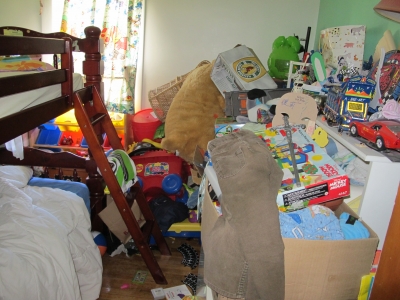
Are You A Compulsive Hoarder? – Infographic

compulsive hoarding, pathological collecting

We all know someone who is an avid collector. Maybe your brother collects comic books or your uncle collects antique statues. Some collectors collect in hopes that their collection will someday be worth millions, while others are driven by a love of collecting and the pursuit of a complete set. But what happens when collecting goes from being a pleasurable experience to something that takes over the life of the collector, making them a pariah and forcing them to live an unhealthy lifestyle? Continue reading

Share

Depression More Common Among Stroke Caregivers

Stroke caregivers and depression

A stroke is a health condition where the flow of blood to specific sections of the brain is interrupted. This predicament results in a reduction in the levels of oxygen and glucose that reach the brain cells, ultimately causing the death of these cells.

Researchers at Loyola University claim that caregivers for persons who have survived a stroke are at a higher risk of becoming diagnosed with depression than individuals without similar responsibilities. Continue reading

Share

Human Perception: The Amazing Waterfall Illusion (Video)

Have you ever seen falling water come to a stop in mid-air? How about water flowing UP a waterfall? If you haven’t, then please watch this amazing video created by Youtube user “brusspup.” This is one of those incredible illusions that leaves observers gaping in wonder and completely lays bare the stark limitations of human perception. Continue reading

Share

Seasonal Changes in Music Preferences and Implications for the Music Industry

psychology of musicSummer, winter, autumn, spring

Oh what changes the seasons bring!

From falling leaves to an icy sting

To a sudden shift in the songs we sing

We all know the common saying: “For everything there is a season.” A season to laugh, a season to cry… and apparently a season to listen to certain types of music.  At least that’s what the findings of two studies conducted by Pettijohn, Williams and Carter (2010) seem to suggest. Both studies, conducted in the United States, were designed to examine how seasonal conditions influence music preferences in a sample of male and female college students. Continue reading

Share