
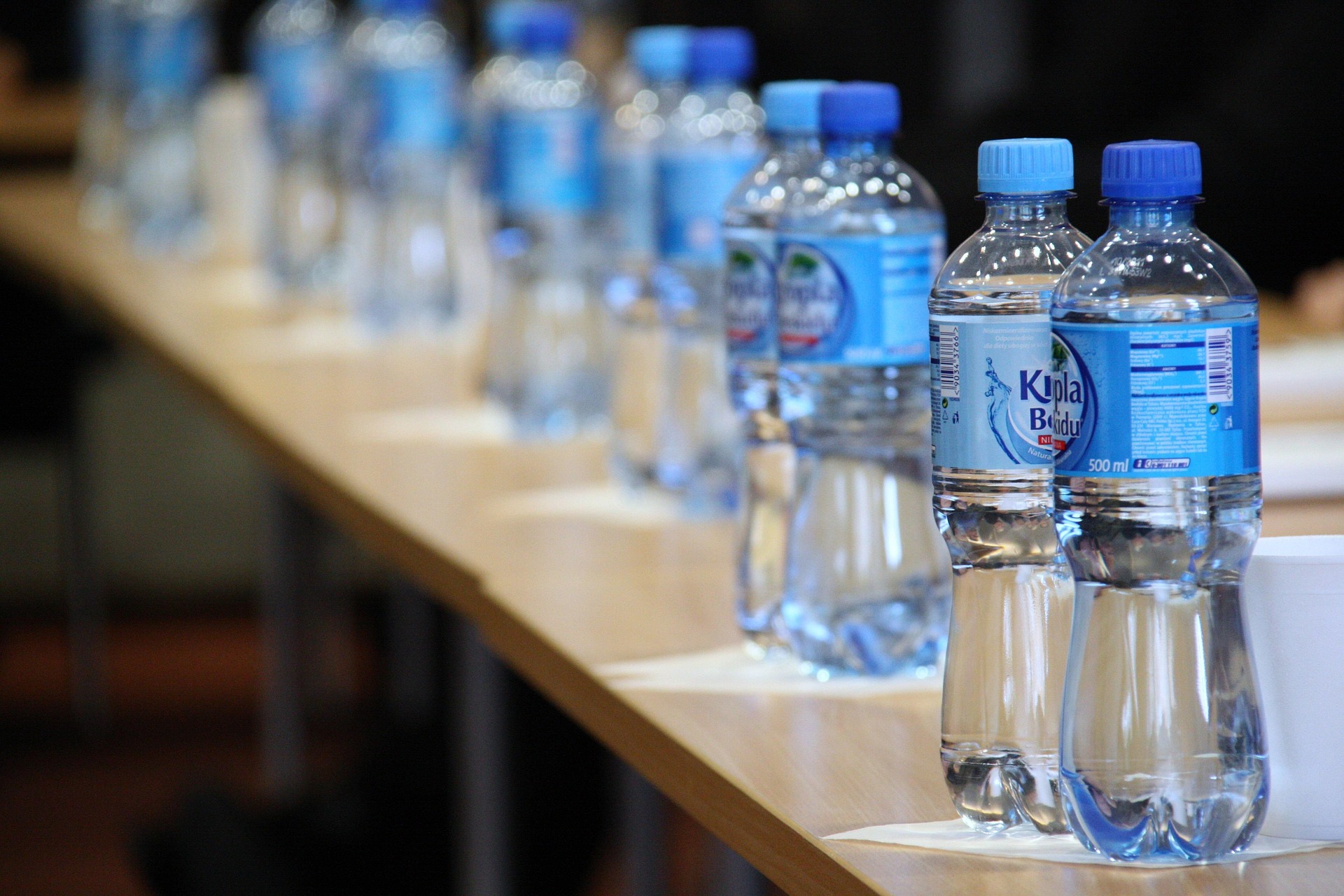
For a long time, bottled water was one of those everyday purchases businesses didn’t think too hard about. It was convenient, familiar, easy to store, and simple to hand out at meetings, events, hotel rooms, conferences, gyms, clinics, waiting areas or corporate functions. The problem is that convenience has started to come with a lot more scrutiny, especially as customers, staff and suppliers become more aware of the waste attached to single-use plastic.
That’s why more organisations are starting to look at Aluminium Bottled Water benefits, not as a passing sustainability trend, but as part of a broader shift in how businesses make small purchasing decisions that still say something about their values. Water might seem like a simple product, yet the packaging it arrives in can influence how a brand is perceived, particularly in settings where presentation, responsibility and customer experience all matter.
Packaging Sends a Message
Customers notice more than businesses sometimes realise. A plastic bottle handed across a counter, placed on a boardroom table or included in a welcome pack may not ruin anyone’s impression, but it can feel out of step when a company is also talking about sustainability, waste reduction or modern brand values. The details have to line up, otherwise the message starts to feel a little hollow.
Aluminium offers a different impression straight away. It feels more deliberate, more premium and more aligned with the direction many businesses are already trying to move in. For hotels, events, offices and hospitality venues, that matters because water isn’t just functional; it’s part of the experience being created for guests, clients or staff.
There’s also the visibility factor. Branded or thoughtfully chosen water packaging can sit naturally within a broader customer experience, from conference tables to guest rooms and event activations. When the bottle looks considered, the business looks considered too.
Sustainability Is Often Built From Small Choices
No single packaging swap will solve a company’s environmental impact, and customers are usually smart enough to know that. Still, sustainability is often built through a series of smaller decisions that gradually change how a business operates. Moving away from plastic bottled water can be one of those practical steps, especially for organisations that use large volumes over the course of a year.
Aluminium is widely associated with recyclability, and for many buyers, that makes it a more appealing alternative to traditional plastic bottles. The important thing is that the choice fits within a genuine approach to reducing waste, rather than being treated as a marketing shortcut. A better bottle is useful, but it works best when it’s part of a bigger effort around responsible sourcing, recycling systems and more thoughtful consumption.
That said, easy changes are still worth making. Businesses don’t always need to start with a complicated sustainability strategy before improving the products they buy every week.
A Better Fit for Modern Events and Workplaces
Events are a good example of where plastic bottled water can quickly feel excessive. A single conference, product launch or outdoor activation can generate huge amounts of packaging waste, and the sight of half-finished plastic bottles scattered across tables doesn’t exactly support a polished event experience. Aluminium bottled water can feel cleaner, neater and more intentional in those environments, particularly when organisers are trying to reduce plastic use without compromising convenience.
Workplaces are seeing a similar shift. Staff often expect employers to make better everyday choices, and while water packaging may seem minor, it can sit alongside other improvements like better recycling, reusable kitchen supplies, lower-waste catering and more responsible office procurement.
Small Details Can Strengthen a Brand
Rethinking bottled water isn’t only about the bottle. It’s about recognising that every touchpoint contributes to how people experience a business.
When a company chooses packaging that feels more modern, responsible and aligned with its values, it sends a quiet but useful message. It shows that the business is paying attention, even to the ordinary details, and sometimes that’s exactly where a better brand impression begins.
